Thymosin Alpha-1 Mechanism of Action: What Immune Cells Do
This protein may help immune cells kill infected cells and then slow the fight. You'll see what changed in cells and what that can't prove.
What the protein may start and stop
A body-made protein, Thymosin Alpha-1, may wake and steady immune cells. This page explains its mechanism of action, which means how it may work. The process seems to have two parts. Lab work can't promise that either part will help you.
First, lookout cells may call T-cells, the immune cells that hunt infected cells. Then other immune cells may slow the same fight. Think of that as a push followed by a brake. You won't feel either cell change happen.
This two-part effect led to studies in weak immune defenses, sepsis, and cancer care. It doesn't prove help in any of those illnesses. The largest sepsis study found no benefit. The sections below tell you what changed and what didn't.
What lookout cells may do first
This first step appeared in immune cells, not as a cure in people. Thymosin Alpha-1 touched parts of lookout cells that sense danger. The cells then made IL-12, a substance that helps them call targeted immune cells. Those targeted cells hunt infected cells.
The study also found a second, calmer response [5]. Your immune system needs to fight germs without harming too much healthy tissue. Lab work can show those cell changes. It can't tell you whether your health will improve.
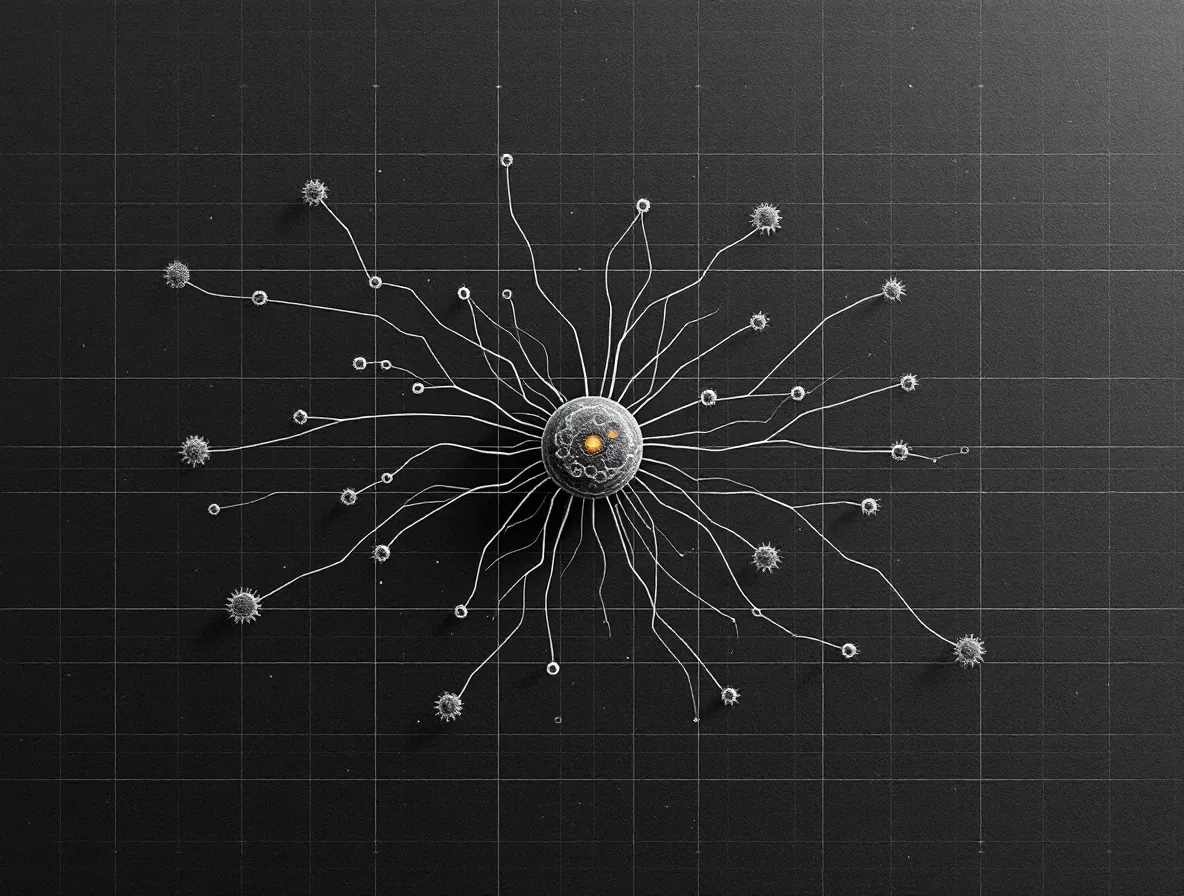
What may change when immune cells are worn out
Targeted immune cells can grow worn out during a long or grave illness. Thymosin Alpha-1 may help them become ready again. They use a substance called IL-2 to call for more of these cells. These cells hunt and kill infected cells, but a lab change still isn't better health.
The clearest human clue came from old COVID-19 charts of Thymosin Alpha-1. Blood tests found more targeted immune cells, while a sign called Tim-3 fell [6]. A lower Tim-3 result can mean less cell wear, but it doesn't prove Thymosin Alpha-1 saved lives. A sepsis study also found more lookout cells ready to work, yet it didn't show that patients lived longer [2].
What may slow an immune fight
Thymosin Alpha-1 doesn't only wake immune cells. In mouse and human cells, it raised IL-10, a substance tied to more cells that slow a fight [5]. Those calming cells may stop an attack from running too long. The change happened in a dish.
That second effect may act like a brake. It could help your immune system fight without hurting as much healthy tissue. But no person improved in this cell test. You can't count on the same result in your body.
What the shape tests can and can't show
These shape tests happened in a lab. The protein stayed loose in plain water. Near zinc or a cell surface, it folded into a firmer shape [12]. That may help the protein connect with a cell.
Other lab work suggests one end may touch the cell's fatty outer layer. Nearby proteins may then pass a message into the cell. Albumin, a common blood protein, may carry Thymosin Alpha-1 through the blood [15]. These findings don't show whether you would feel better or live longer.
What a cell change can't promise you
The two-part effect gave researchers a reason to test Thymosin Alpha-1 in very different illnesses. They hoped it might wake weak immune defenses in sepsis [2]. Old COVID-19 charts also showed more targeted immune cells in blood [6]. Cancer work asked whether the calming side might reduce harm from some immune drugs [7].
Here's the catch for you. A cell change isn't the same as living longer or feeling better. The best-run sepsis test found no benefit [3]. That study counted deaths, not only a blood-test change.
Cell work explains why researchers tried Thymosin Alpha-1. It doesn't show that every sick person will improve. Results in people look strongest for long-term viral hepatitis. Other uses still need better studies.